
Die-casting is a popular process for making medals—especially those with intricate 2D、3D details, sharp edges, or consistent shapes—thanks to its efficiency and ability to replicate designs precisely.
Die-casting uses “high pressure” to force molten metal into a custom-designed mold (called a "die"). Once the metal cools and solidifies, the mold opens, and the medal’s base shape (called a "casting blank") is removed. This process is ideal for medals because it can capture fine details (like logos, text, or relief patterns) that other methods (e.g., stamping) might miss—all while keeping production consistent for bulk orders.
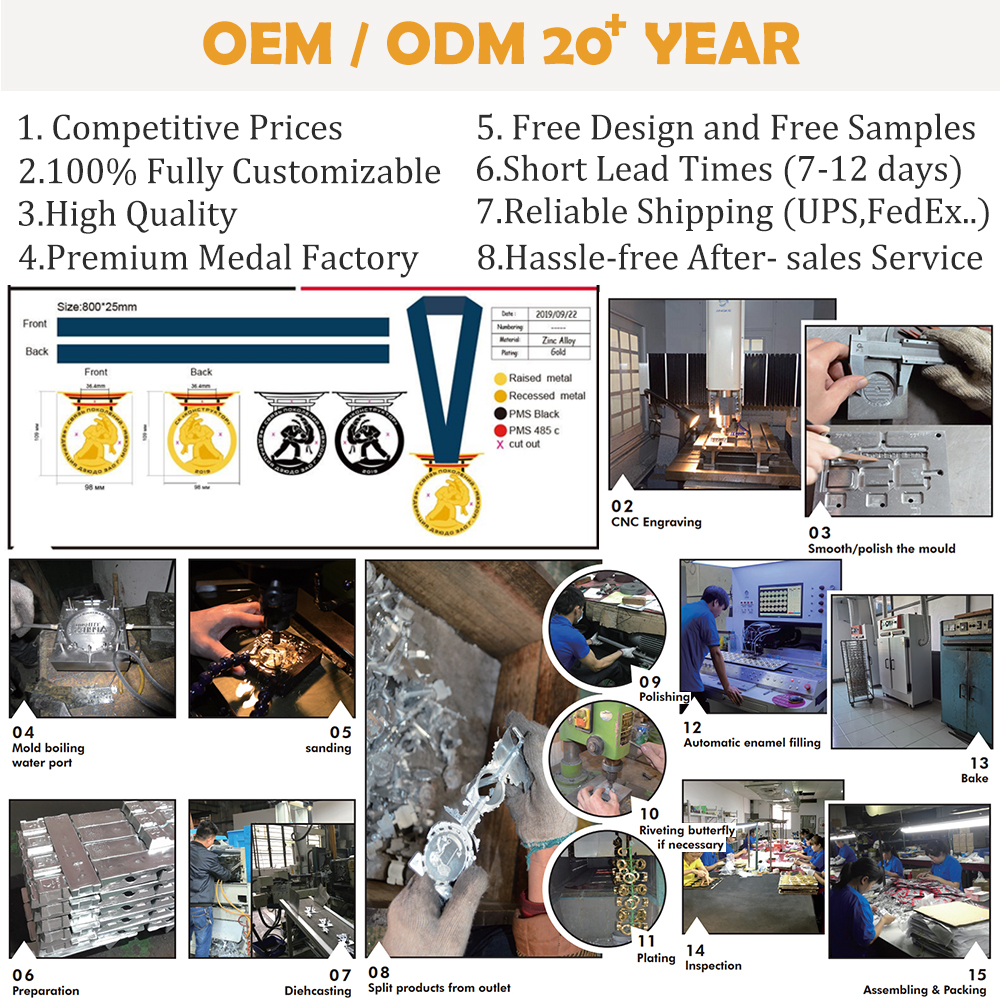
1.Design Finalization & Mold Making : Before any metal is melted, the medal’s design must be turned into a physical mold—this is the most critical step for ensuring accuracy.The client’s logo, text, or artwork (e.g., a marathon’s mascot, a company’s emblem) is digitized and converted into a 3D model using CAD software. Engineers adjust the design to account for "shrinkage" (metal contracts slightly as it cools) and add small features like "draft angles" (sloped edges) to help the casting blank release from the mold easily. Mold Fabrication, The 3D model is used to machine a steel mold (usually made of H13 hot-work die steel, which resists high temperatures and pressure). The mold has two halves: one with the "positive" (raised) details of the medal, and the other with the "negative" (recessed) cavity. For double-sided medals, both mold halves will have detailed cavities. Mold Testing, A test mold may be used first to check if the design transfers clearly—this avoids wasting metal on faulty full-scale production.
2.Material Selection & Melting, Die-cast medals mostly use "non-ferrous metals" (metals without iron) because they melt at lower temperatures and flow smoothly into molds. The most common choices are: Zinc Alloy:The most popular option—low cost, lightweight, and easy to cast. It has a smooth surface that takes plating (e.g., gold, silver) well, making it great for entry to mid-range medals. Brass Alloy: Higher-end choice—has a warm, metallic luster (no need for heavy plating) and better durability. Often used for premium awards (e.g., lifetime achievement medals). Aluminum Alloy: Rare for medals (too lightweight for a "substantial" feel) but used occasionally for large, budget-friendly event medals. the metal is melted in a furnace at temperatures between “380°C (zinc)“ and ”900°C (brass)” until it becomes a liquid. It’s then filtered to remove impurities (like dirt or oxide) that could ruin the medal’s surface.
3.Die-Casting (The "Shaping" Stage) This is where the metal becomes a medal blank. Mold Preparation: The two halves of the steel mold are clamped tightly together in a die-casting machine (either "hot-chamber" for zinc, which melts faster, or "cold-chamber" for brass/aluminum, which needs higher heat). The mold is also sprayed with a release agent (a light oil) to prevent the molten metal from sticking. Metal Injection : A piston or plunger pushes the molten metal into the mold’s cavity at extremely high pressure (2,000–15,000 psi). This pressure ensures the metal fills every tiny detail of the mold—even small text or thin relief lines. Cooling & Demolding : The metal cools for 10–30 seconds (depending on size) until it hardens. The mold then opens, and a small ejector pin pushes the casting blank out. At this stage, the blank still has "flash" (thin, excess metal around the edges) from where the mold halves met.
4.Trimming & Finishing (Cleaning Up the Blank) . Deburring/Trimming: The flash is removed using a trimming press (for bulk orders) or hand tools (for small batches). This step ensures the medal’s edges are smooth and even—no sharp or rough spots. Grinding & Polishing : The blank is sanded with fine-grit sandpaper to smooth any surface imperfections (e.g., small bubbles from casting). For a shiny finish, it’s polished with a buffing wheel and polishing compound (e.g., rouge for a mirror-like shine).
5.Surface Decoration (Making the Medal "Pop") This is where the medal gets its color, texture, and brand identity—common treatments include:
Plating : The blank is dipped in an electrolytic bath to add a metal coating (e.g., gold, silver, nickel, antique brass). Plating protects the medal from rust and enhances its appearance (e.g., antique bronze plating for a vintage look).
Enamel Filling : For colored medals, soft or hard enamel is applied to the recessed areas of the blank (using a syringe or stencil). Soft enamel is air-dried and has a slightly textured surface; hard enamel is baked at 800°C to create a smooth, glass-like finish
Engraving/Printing : Personal details (e.g., recipient names, event dates) are added via laser engraving (for precision) or silk-screen printing (for bold colors).
6.Quality Inspection & Assembly
Quality Check : Each medal is inspected for flaws—e.g., missing details, uneven plating, or enamel bubbles. Any defective pieces are rejected or reworked.
Assembly (If Needed) : If the medal has accessories (e.g., a ribbon, a clasp, or a keychain), these are attached manually or with machines. For example, a ribbon loop is soldered to the back of the medal for easy wearing.
Die-casting stands out for its ability to create **detailed, consistent medals** at scale. Unlike stamping (which works best for flat designs), die-casting can handle 3D reliefs, complex logos, and even hollowed-out shapes—making it perfect for event medals (marathons, tournaments), corporate awards, or collectibles.
Whether you’re ordering 50 or 5,000 medals, the die-casting process ensures every piece looks just as sharp as the first.
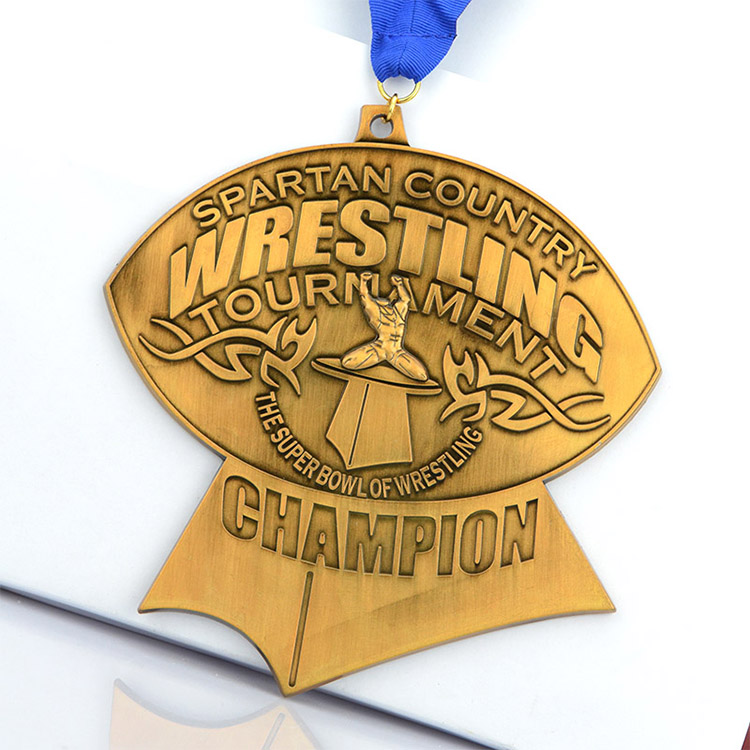
Die-Cast Medals
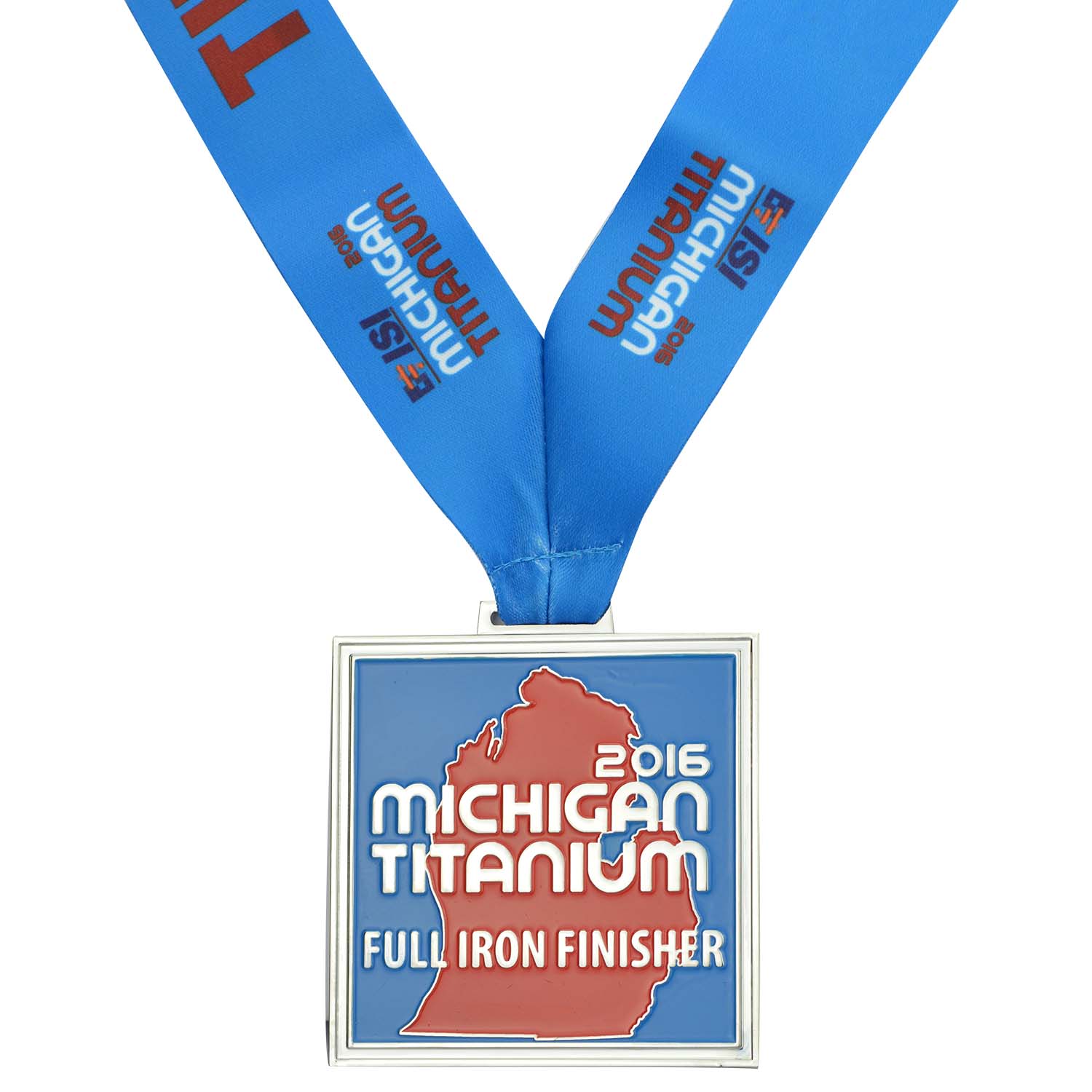
Stamping Medals
Send your logo, design, or sketch idea.
Specify the size and quantity of the metal medals.
We will send a quote based on the provided information.
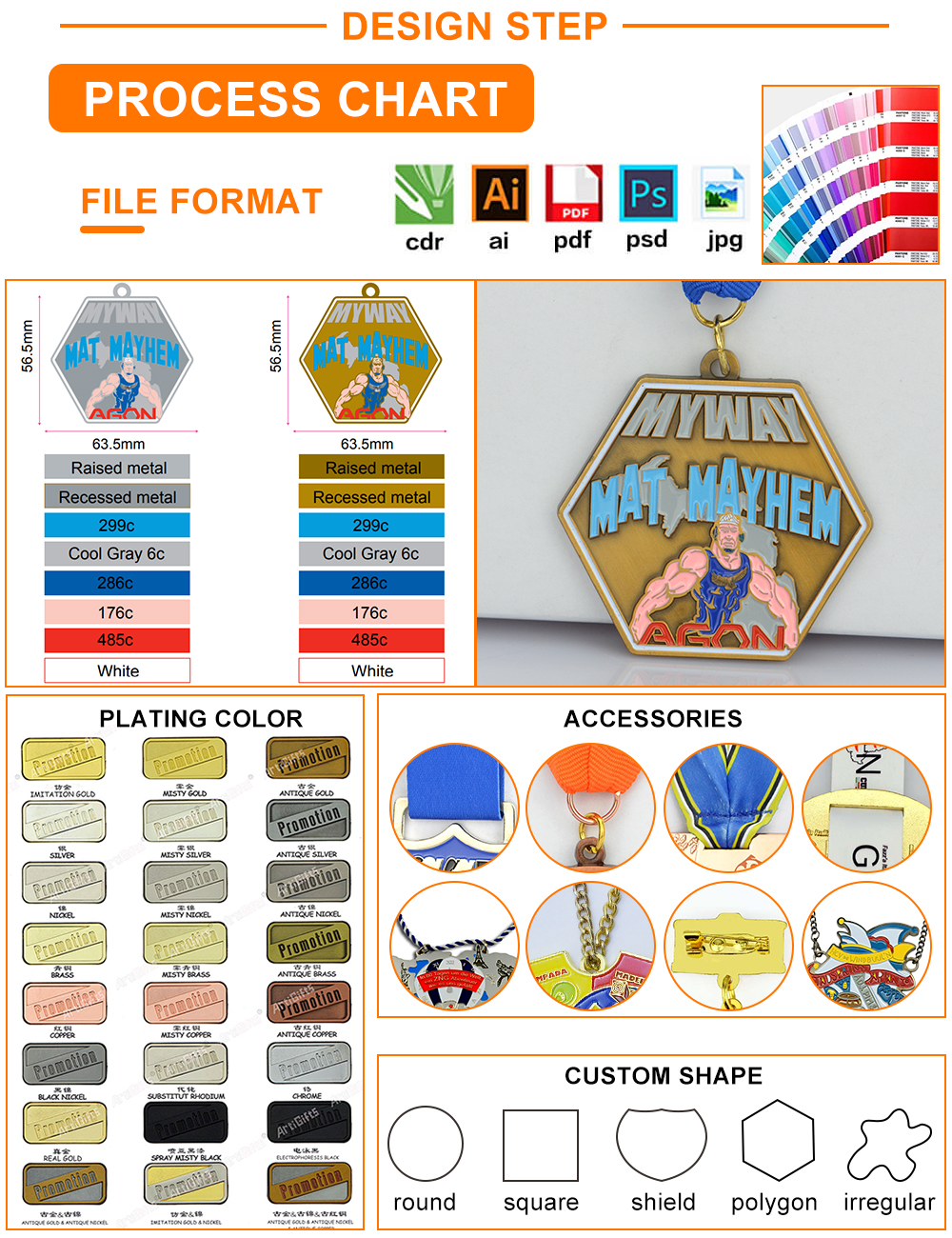
The medal styles you might like
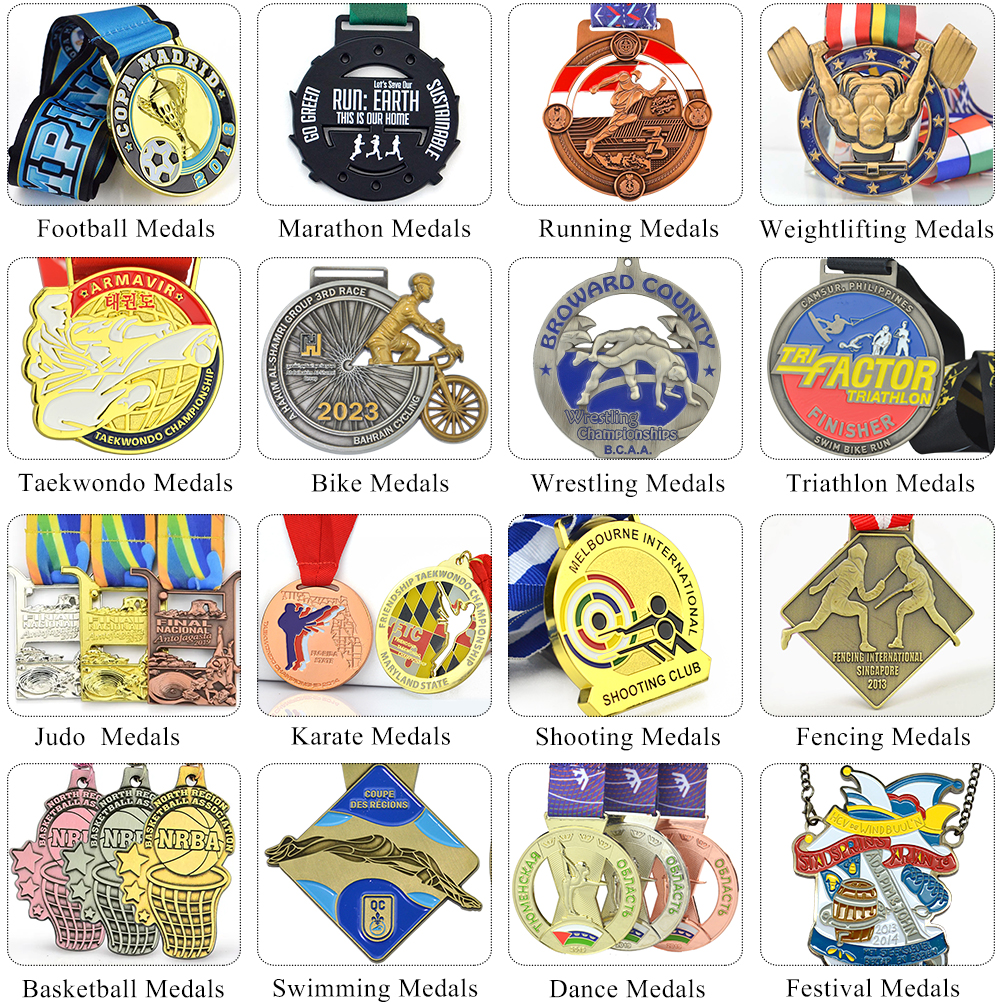
To reduce the price of your medals, you might consider the following:
1. Increase the quantity
2. Decrease the thickness
3. Decrease the size
4. Request a standard neckband in a standard color
5. Eliminate colors
6. Have your art completed "in-house" if possible to avoid art charges
7. Change plating from "bright" to "antique"
8. Change from 3D design to 2D design
Best regards | SUKI
ArtiGifts Premium Co., Ltd. (Online factory/office: http://to.artigifts.net/onlinefactory/)
Factory Audited by Disney: FAC-065120/ Sedex ZC: 296742232/ Walmart: 36226542 / BSCI: DBID:396595, Audit ID: 170096 / Coca cola: Facility Number: 10941
(All brand products are required an authorizes to produce)
Direct: (86)760-2810 1397| FAX: (86) 760 2810 1373
TEL: (86)0760 28101376; HK office Tel: +852-53861624
Email: query@artimedal.com WhatsApp: +86 15917237655 Phone Number: +86 15917237655
Website: https://www.artigiftsmedals.com | Alibaba: http://cnmedal.en.alibaba.com
Complain email: query@artimedal.com After-service Tel: +86 159 1723 7655 (Suki)
Warning: Pls double check with us if you got any email about bank information changed.
Post time: Oct-13-2025