
When we hold a enamel pin, we encounter more than a symbol representing an idea – we experience a tangible object. The material properties of the enamel pin – whether its substantial heft, its smooth or textured surface, or its cool touch against the skin – become deeply woven into the meaning it conveys. In the creation process, material selection transcends technical specification; it evolves into a philosophical deliberation about design ethos. The chosen medium defines the enamel pin’s visual language, determines its longevity, and even shapes the resonance of its message.
A study of common enamel pin materials reveals how profoundly different substrates evoke distinct expressions. Each material carries contextual appropriateness, eliciting unique emotional responses from both observer and wearer. Just as design dictates appearance, material establishes inner resonance – influencing perception and significance. This principle extends beyond enamel pins: the sturdy resilience of metal keychains contrasts with the flexible softness of PVC versions; the solemn gravitas of metal awards differs from the lightweight simplicity of PVC insignia. Material remains the essential vessel through which an object communicates meaning.
The following table provides a detailed comparative analysis of primary enamel pin materials. Our examination extends beyond technical parameters to explore the phenomenological and communicative dimensions inherent in each material. Through this framework, we aim to illuminate how a enamel pin’s physical substance endows it with symbolic power.
| Material | Aesthetic & Texture | Durability & Longevity | Communicative Power | Ideal Application |
|---|---|---|---|---|
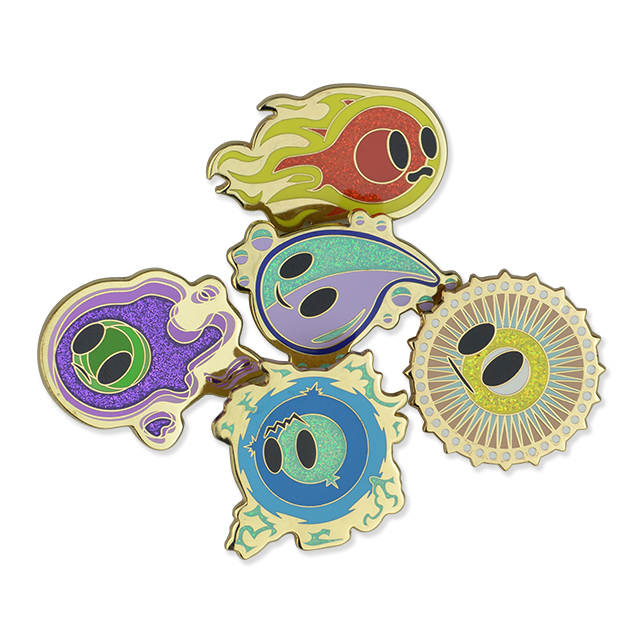
| Hard Enamel | Smooth, polished, glass-like surface. Colors are level with the metal die lines, creating a sleek, jewelry-quality finish. It feels substantial and permanent. | Extremely high. The enamel is a durable resin that is heated to a high temperature and polished flat. It is highly resistant to scratching and fading. | Conveys permanence, premium quality, and formal affiliation. The classic, timeless appearance suggests tradition, value, and seriousness. | Corporate logos, professional associations, years-of-service awards, high-end promotional items, and any context where a sense of prestige is desired. A classic lapel pin style. |
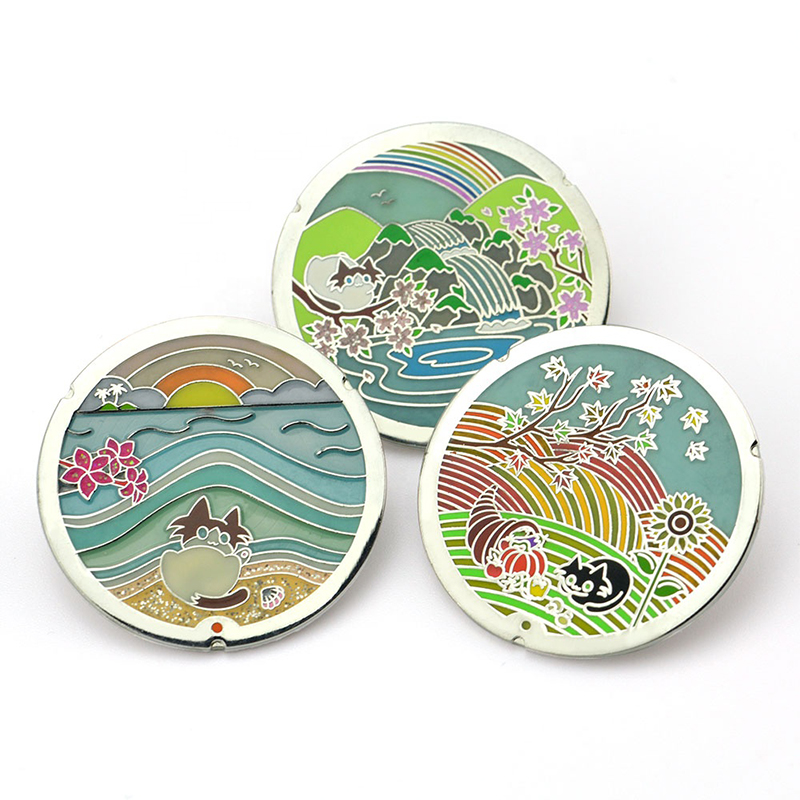
| Soft Enamel | Textured, dimensional surface. The enamel sits below the level of the raised metal lines, creating a tactile, embossed feel. Colors are vibrant and can be coated with an epoxy dome for a smoother finish. | Very good. The enamel is resilient, but the raised metal edges are more susceptible to wear over time compared to hard enamel. The optional epoxy dome adds a layer of protection. | Expresses vibrancy, accessibility, and modern appeal. The texture makes it engaging and slightly less formal than hard enamel. It is highly versatile. | Event giveaways, team mascots, fan merchandise, brand promotions, and designs that benefit from a sense of depth and texture. A popular choice for a custom lapel pin. |
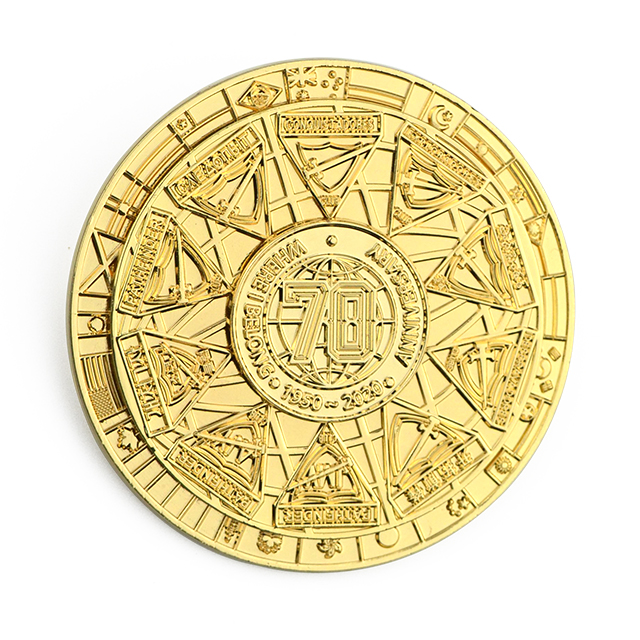
| Die-Struck Metal | Purely metallic, with raised and recessed areas. Can be plated in various finishes (gold, silver, bronze, antique). The beauty comes from the sculptural quality of the metal itself, without enamel color. | Exceptional. As a solid piece of metal, it is incredibly durable and develops a patina over time, which can enhance its character. The choice of metal dictates its resilience. | Communicates elegance, tradition, and gravitas. The absence of color focuses attention on the form and texture of the design. It evokes a sense of history and classicism. | Anniversary pins, commemorative emblems, architectural designs, and sophisticated logos. It is also the foundation for a distinguished metal medal. |
| PVC (Polyvinyl Chloride) | Soft, flexible, rubber-like texture. Allows for vibrant colors and complex 2D or 3D shapes that are difficult to achieve in metal. It is lightweight and playful to the touch. | Good. PVC is waterproof and durable, but it does not have the permanence of metal. It can be bent and is resistant to breaking, but can be cut or torn. | Projects modernity, playfulness, and approachability. It is informal and often associated with youth culture, tech companies, and creative brands. | Promotional items for children, event-specific merchandise (like for a festival or convention), cartoon characters, and brands seeking a fun, contemporary image. The material of a typical pvc badge or pvc keychain. |
The distinction between hard and soft enamel is perhaps the most common decision point in crafting a custom lapel pin. Hard enamel, with its polished, flat surface, speaks a language of quality and tradition. Its creation process, involving heating and polishing, imbues the final object with a sense of permanence. It feels like jewelry. Wearing a hard enamel lapel pin is an act of aligning oneself with the values it represents in a serious, enduring way. A soft enamel lapel pin, by contrast, offers a different sensory experience. The ability to feel the raised metal lines provides a tactile connection to the design. It is more dimensional, more overtly graphic. It communicates with a modern, accessible voice, making it an excellent choice for merchandise or promotional items that aim for broad appeal rather than formal prestige. A brand choosing soft enamel is often signaling that it is approachable and contemporary.
Die-struck pins, which forgo enamel color entirely, make a statement through pure form. They are sculptural. Their meaning is conveyed through the interplay of light and shadow across raised and recessed metal. A die-struck lapel pin often feels more like a small medal or a coin, evoking a sense of history and importance. It is a choice that signals an appreciation for craftsmanship and subtlety. This is the same principle that gives a well-crafted metal medal its perceived value; the weight and the detailed relief of the metal itself are what signify the honor. Finally, the PVC badge or pin represents a radical departure. It is soft, flexible, and unapologetically modern. Its language is one of playfulness and novelty. A company that chooses a PVC badge over a metal lapel pin is making a deliberate statement about its brand identity—that it is innovative, perhaps a bit irreverent, and not bound by traditional corporate aesthetics. The choice of PVC for a keychain, creating a soft and pliable pvc keychain, similarly signals a more casual and modern sensibility than its metal counterpart. Each material, therefore, is a distinct dialect in the language of personal emblems.
Soft Enamel Pins
Hard Enamel Pins
Die Struck
Best regards | SUKI
ArtiGifts Premium Co., Ltd. (Online factory/office: http://to.artigifts.net/onlinefactory/)
Factory Audited by Disney: FAC-065120/ Sedex ZC: 296742232/ Walmart: 36226542 / BSCI: DBID:396595, Audit ID: 170096 / Coca cola: Facility Number: 10941
(All brand products are required an authorizes to produce)
Direct: (86)760-2810 1397| FAX: (86) 760 2810 1373
TEL: (86)0760 28101376; HK office Tel: +852-53861624
Email: query@artimedal.com WhatsApp: +86 15917237655 Phone Number: +86 15917237655
Website: https://www.artigiftsmedals.com | Alibaba: http://cnmedal.en.alibaba.com
Complain email: query@artimedal.com After-service Tel: +86 159 1723 7655 (Suki)
Warning: Pls double check with us if you got any email about bank information changed.
Post time: Jun-21-2025