
Enamel pins have emerged as a popular and expressive form of personal adornment and collectibles in recent years. Among the various types of enamel pins, hard and soft enamel pins stand out, each boasting distinct characteristics that set them apart. Whether you're an avid collector, a fashion - conscious individual looking to accessorize, or someone interested in the art of pin - making, understanding the differences between hard and soft enamel pins is crucial.
| Material | Hard Enamel Pins | Soft Enamel Pins |
|---|---|---|
| Production Process
|
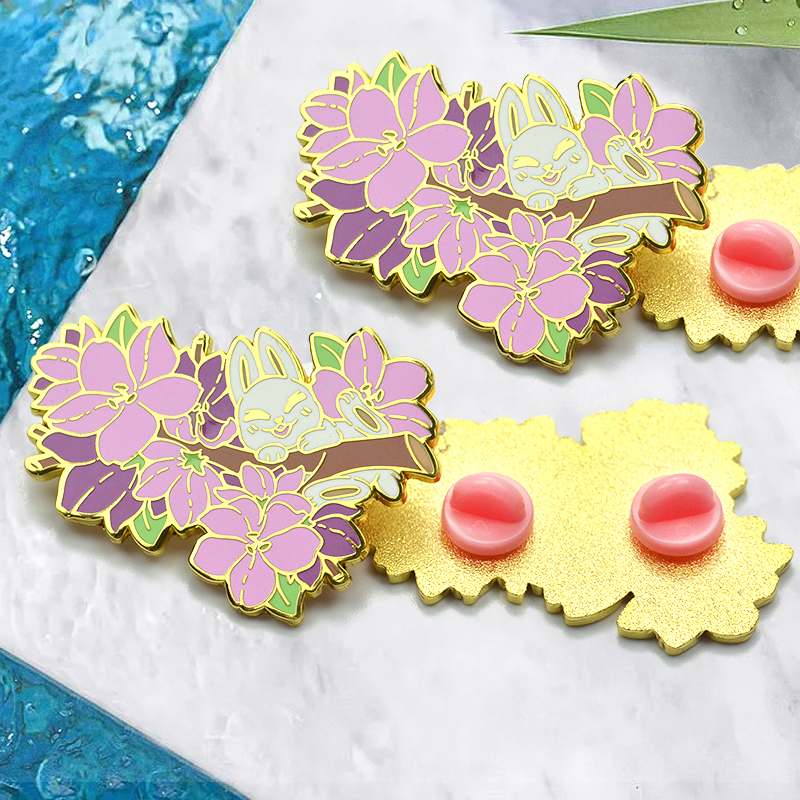
The creation of hard enamel pins is a meticulous and time - consuming process. It commences with the selection of a base metal, typically brass or copper, valued for their malleability and durability. These metals are die - struck to form the desired shape of the pin. Once the shape is achieved, recessed areas are carefully prepared to accommodate the enamel.
The enamel used in hard enamel pins is in powdered form, resembling fine glass. This powder is painstakingly filled into the recessed sections of the metal base. Subsequently, the pins are subjected to extremely high temperatures, usually in the range of 800 - 900°C (1472 - 1652°F), in a kiln. This high - temperature firing causes the enamel powder to melt and fuse firmly with the metal. Multiple layers of enamel may be applied and fired successively to achieve the desired depth of color and opacity. After the final firing, the pins undergo a polishing process to achieve a high - shine finish, which not only enhances the clarity of the design but also gives the enamel a smooth, glass - like appearance.
|
Soft enamel pins also begin with a metal base, with zinc alloy being a common choice due to its cost - effectiveness. The design is created on the metal base through methods such as die - casting or stamping.
The key differentiator in the production of soft enamel pins lies in the enamel application. Instead of using powdered enamel and high - temperature firing, soft enamel pins utilize a liquid enamel or an epoxy - based resin. This liquid enamel is either hand - filled or screen - printed into the recessed areas of the metal design. Following application, the pins are cured at a significantly lower temperature, typically around 80 - 150°C (176 - 302°F). This lower - temperature curing process results in an enamel surface that is softer and more pliable compared to hard enamel. Once cured, a clear epoxy resin may be applied over the soft enamel for added protection and to impart a glossy finish.
|
| Appearance | Hard enamel pins are characterized by their smooth, glass - like surface, which closely resembles the look of fine jewelry. The high - temperature firing process gives the enamel a hard and durable finish. The colors on hard enamel pins often have a slightly subdued, opaque, and matte - like quality. This is because the enamel powder fuses and solidifies during firing, creating a more uniform color distribution.
These pins excel at showcasing intricate details. The smooth surface allows for sharp lines and precise imagery, making them an ideal choice for designs that demand a high level of precision, such as detailed portraits, complex patterns, or emblems with fine - tuned elements. The edges of the enamel are usually flush with the metal border, contributing to a seamless and refined aesthetic.
|
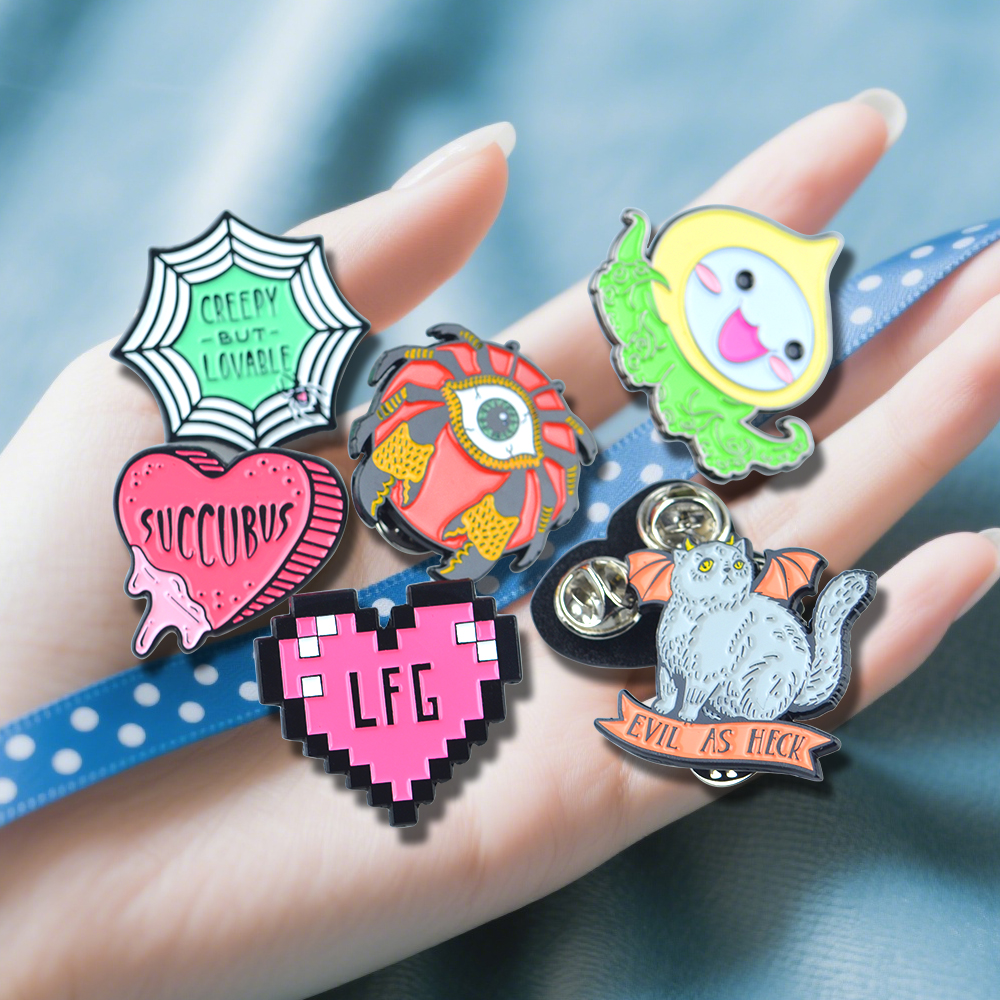
Soft enamel pins, in contrast, have a more textured and dimensional appearance. The liquid enamel used in their production can result in a surface that has a slight raised or domed effect, especially when a clear epoxy resin is added on top. This gives the pins a more tactile feel.
The colors on soft enamel pins tend to be more vibrant and glossy. The liquid enamel and epoxy resin can create a more translucent and shiny finish, which makes the colors pop. Soft enamel is also more forgiving when it comes to color blending and gradients. Since the enamel is applied in a liquid state, it can be manipulated to create smooth transitions between colors, making it well - suited for designs that require a more artistic or colorful approach, such as abstract art, cartoon - style illustrations, or pins with bold, bright color schemes.
|
| Durability | Thanks to the high - temperature firing and the hard, glass - like nature of the enamel, hard enamel pins are highly durable. The enamel is less likely to chip, scratch, or fade over time. The strong bond between the enamel and the metal base enables them to withstand the rigors of everyday wear and tear. They can endure being bumped, rubbed against other surfaces, and exposed to normal environmental conditions without significant damage. However, due to the hard and brittle nature of the enamel, a hard impact could potentially cause the enamel to crack or chip. | Soft enamel pins are also relatively durable, but they have different strengths and weaknesses compared to hard enamel pins. The soft enamel and epoxy resin used in their production are more flexible, which means they are less likely to crack from a hard impact. However, they are more prone to scratching and scuffing. The softer surface can be easily marked by sharp objects or rough handling. Over time, repeated friction or exposure to harsh chemicals, such as certain cleaning agents, can cause the color to fade or the epoxy resin to become dull. |
| Cost | The production process of hard enamel pins, with its high - temperature firing, use of high - quality metals, and the need for skilled labor to apply and fire the enamel layers, contributes to their relatively higher cost. The cost is also influenced by factors such as the complexity of the design (more intricate designs may require more time and effort in the enamel application), the number of colors used (each additional color may need a separate firing process), and the quantity of pins being produced. Generally, hard enamel pins are considered a higher - end option in the world of enamel pins. | Soft enamel pins are often more cost - effective. The use of zinc alloy as a base metal and the lower - temperature curing process help reduce production costs. Additionally, the liquid enamel and epoxy resin used are generally less expensive than the powdered enamel used in hard enamel pins. Soft enamel pins are a great option for those on a budget, whether it's a small - scale pin - maker looking to produce a large quantity of pins or a consumer who wants to collect a variety of pins without overspending. However, the cost can still vary depending on factors like design complexity and the addition of extra features such as glitter or special coatings. |
| Design Flexibility | Hard enamel pins are well - suited for designs that require a high level of precision and a classic, refined look. They work extremely well for corporate logos, official emblems, and historical or traditional designs. The smooth surface and the ability to achieve sharp lines make them ideal for replicating detailed artworks or for creating a sophisticated, elegant appearance. However, due to the nature of the high - temperature firing process and the hard enamel material, it can be more challenging to create certain effects, such as extreme color gradients or highly textured surfaces. | Soft enamel pins offer greater design flexibility in terms of color and texture. The liquid enamel can be easily manipulated to create various effects, including color blending, gradients, and even the addition of special elements like glitter or flocking. This makes them perfect for modern, creative, and fun - themed designs. They are popular for pins inspired by pop culture, anime, music, and other contemporary art forms. Soft enamel pins can also be more easily customized to fit specific themes or branding needs, as the production process allows for more experimentation with different colors and textures. |
| Popularity and Market Appeal | Hard enamel pins are highly regarded in the collector's market and are often associated with quality and craftsmanship. They are popular among collectors who appreciate the fine - art aspect of enamel pins and are willing to pay a premium for a well - made, durable, and aesthetically pleasing pin. Hard enamel pins are also commonly used in high - end branding and promotional items, as they convey a sense of luxury and professionalism. | Soft enamel pins have a wide appeal across different demographics. Their lower cost makes them accessible to a larger audience, including younger collectors and those who are just starting to build a pin collection. They are also popular in the fashion and streetwear scenes, where their colorful and eye - catching designs can add a trendy touch to clothing and accessories. Soft enamel pins are often used in events, such as music festivals, comic - cons, and sports events, as affordable and collectible memorabilia. |
In conclusion, hard and soft enamel pins each have their own unique set of characteristics, advantages, and applications. Whether you prefer the smooth, refined look and durability of hard enamel pins or the vibrant colors, design flexibility, and cost - effectiveness of soft enamel pins, there's a world of creativity and self - expression waiting for you in the fascinating realm of enamel pins.
Hard Enamel Pins
Soft Enamel Pins
Best regards | SUKI
ArtiGifts Premium Co., Ltd. (Online factory/office: http://to.artigifts.net/onlinefactory/)
Factory Audited by Disney: FAC-065120/ Sedex ZC: 296742232/ Walmart: 36226542 / BSCI: DBID:396595, Audit ID: 170096 / Coca cola: Facility Number: 10941
(All brand products are required an authorizes to produce)
Direct: (86)760-2810 1397| FAX: (86) 760 2810 1373
TEL: (86)0760 28101376; HK office Tel: +852-53861624
Email: query@artimedal.com WhatsApp: +86 15917237655 Phone Number: +86 15917237655
Website: https://www.artigiftsmedals.com | Alibaba: http://cnmedal.en.alibaba.com
Complain email: query@artimedal.com After-service Tel: +86 159 1723 7655 (Suki)
Warning: Pls double check with us if you got any email about bank information changed.
Post time: Jun-26-2025